Faculty
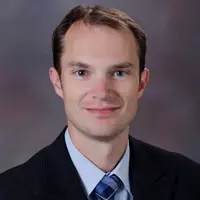 Program Moderator: Brian Duty, MD, MBA; Professor of Urologic Surgery, OHSU Health; President, OMA
Brian Duty, MD, MBA, is a Professor of Urologic Surgery at Oregon Health & Science University (OHSU), where his clinical practice focuses on minimally invasive and endourologic surgery. In addition to his clinical work, he serves as OHSU’s Senior Director of Strategic Outreach, helping to guide partnerships and relationships with hospitals and health systems across Oregon and Southwest Washington. Dr. Duty is deeply involved in physician advocacy and organized medicine. He has served as President of the Oregon Medical Association effective October 4, 2025. He is the Immediate Past President of the Oregon Urological Society, Chair of State Advocacy for the American Urological Association (AUA), and Chair of the Health Policy Committee for the Western Section of the AUA.
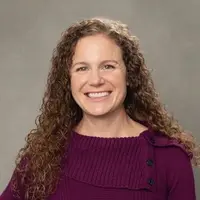 Jennifer Little, MPH; Public Health Director, Klamath County
Jennifer Little is the director of the Klamath County Public Health Department. She earned her bachelor's degree in Human Development and Family Studies from Colorado State University and went on to earn her master's degree in Public Health from Oregon State University. She serves on the Klamath Basin Senior Citizens' Center board of directors, participates on the Cascade Health Alliance (CCO) community advisory council, and is vice-chair of the Rural Health Coordinating Council. She is a member of the Coalition of Local Health Officials and the Oregon Rural Health Association. Jennifer is a health enthusiast and in her free time she loves to mountain bike and backcountry ski.
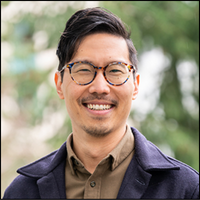 Brian Park, MD, MPH; Medical Director of OHSU Health Equity; Associate Professor of OHSU Family Medicine
Brian Park, MD, MPH is an Associate Professor of Family Medicine at Oregon Health & Science University (OHSU) and Medical Director of the OHSU Health Equity Organization. He is the founding director of the OHSU RELATE Lab, where his work focuses on rebuilding trust in healthcare by strengthening relationships within care teams and between health systems and communities. Through the RELATE Lab, Dr. Park leads the Relational Leadership Institute (RLI), which helps clinicians and healthcare leaders build the habits of trust, belonging, shared power, and repair needed to do hard work together. He also leads Health Equity and Leadership (HEAL), a community organizing program that supports patients and community members to shape health systems and policy, including work that contributed to a $67 million affordable housing investment in Portland, Oregon’s medication label translation legislation, and the development of a primary care home for people returning from incarceration. In his role with the OHSU Health Equity Organization, Dr. Park works with culturally specific community-based organizations, community health workers, and primary care teams to build more connected, community-embedded models of care for Oregon communities.
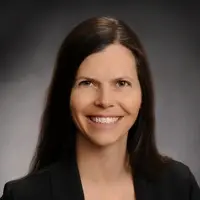 Elizabeth Powers, MD, MHA, FAAFP, FACHE; Health Services Officer, Winding Waters Clinic
Elizabeth Powers, MD, MHA, FAAFP, FACHE, is a practicing family physician, the Local Public Health Officer for Wallowa County, and the Health Services Officer at Winding Waters Community Health Center in Enterprise, Oregon. A graduate of Stanford University School of Medicine and an OHSU residency alumna, Dr. Powers has provided full-scope family medicine — including surgical obstetrics — to her rural community since 2006. In 2019 she was awarded the distinction of Oregon Family Doctor of the Year. As a visionary leader, she spearheaded Winding Waters’ transformation from a private practice into a non-profit FQHC, leading the organization to become Oregon’s first-ever 5-Star Patient-Centered Primary Care Home. Bringing deep expertise in ground-level implementation, healthcare delivery, and health equity, Dr. Powers has served as a Clinical Transformation Consultant for the Oregon Health Authority and is an OHSU Clinical Instructor. Her commitment to navigating public health challenges transparently and maintaining community trust has earned her the HRSA COVID-19 Public Health Champion award. Her career is defined by a dedication to improving the health of vulnerable populations and mentoring the next generation of clinicians to become trusted, resilient voices in medicine.
 Kari-Lyn Sakuma, PhD, MPH; Associate Professor of Public Health, College of Health, Oregon State University
Kari-Lyn Sakuma, PhD, MPH, is an Associate Professor in the College of Health at Oregon State University whose work takes an interdisciplinary approach to understanding health equity and behavior. Drawing on training in preventive medicine, biostatistics, and epidemiology, her research examines disparities in tobacco use and related health outcomes, with a focus on how race, ethnicity, and social and environmental contexts shape risk perception and decision-making. Across her research, Dr. Sakuma examines how individuals perceive and respond to health information within broader social and media environments. Her work highlights how exposure, context, and lived experience influence beliefs about risk and health behavior, offering an evidence-based perspective on how people interpret information and make decisions. This lens provides relevant insight into the complex factors that shape patient perspectives and engagement with health information.